
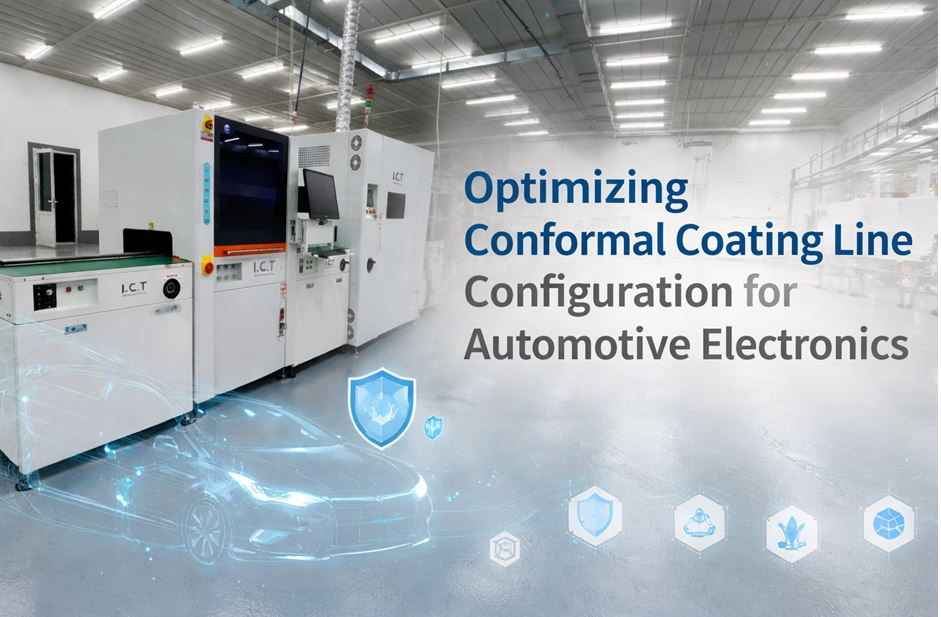
In today’s automotive industry, the demand for high-performance vehicles is pushing the limits of innovation and technology. As electronics play an increasingly vital role in everything from engine control units to advanced driver-assistance systems, the need to ensure their durability and reliability has never been more pressing. Automotive electronics are constantly exposed to harsh conditions — from intense heat and humidity to vibrations, dust, and chemical contaminants. Without proper protection, these sensitive components are at risk of failure, which can lead to costly repairs and jeopardize vehicle safety. This is where conformal coating comes into play. Serving as a thin, protective layer, conformal coating shields electronic circuits from moisture, dust, chemicals, and extreme temperatures, ensuring that they perform reliably even in the toughest environments. In this article, we will explore the crucial role of conformal coating in automotive electronics, how it enhances component longevity, and the key considerations for selecting the right coating solution for your production line.
1. The Importance of Conformal Coating in Automotive Electronics
Automotive electronic components are exposed to extreme conditions that can degrade their performance, especially in critical systems like battery management, sensors, and control units. Conformal coating helps protect these components from environmental damage, enhancing their reliability and longevity. As vehicles become more advanced with integrated electronics, the need for robust protection through conformal coating grows.
2. Key Requirements for Automotive Electronics Conformal Coating
The requirements for conformal coating in the automotive industry are demanding. These components need coatings that offer resistance to heat, moisture, chemicals, and physical wear. Additionally, the coatings must be able to withstand thermal cycling and vibrations typical in automotive environments. Conformal coatings are also required to meet automotive industry standards, such as those outlined by IPC-CC-830B or UL 94V-0, ensuring their performance in these extreme conditions.
3. Choosing the Right Conformal Coating Equipment
Selecting the appropriate conformal coating equipment is vital for ensuring consistent and high-quality coatings. The main factors to consider include coating method, precision, and the type of coating material. Common methods for applying conformal coatings in automotive electronics include spraying, dipping, and brushing. The choice of equipment should depend on the production volume, flexibility, and the specific components being coated. For example, automated systems are often preferred for high-volume production to ensure consistency and reduce the risk of human error.
To learn more about conformal coating equipment, visit our product page for detailed specifications and support.
4. Configuring a Conformal Coating Line
Configuring a conformal coating line for automotive electronics involves choosing the right combination of equipment. A typical line includes pre-heating units, coating machines, and curing ovens. The pre-heating units ensure that the components reach the proper temperature before coating, while the curing ovens solidify the coating, ensuring that it provides maximum protection. It’s essential to ensure that the line is fully automated, with precise control over parameters like temperature, coating thickness, and curing time, which can directly affect the quality of the final product.
Incorporating automated systems within the coating line can improve overall efficiency and reduce labor costs, while also ensuring that the coatings are applied evenly and consistently across all components.
5. Material Selection and Management
The choice of conformal coating materials is just as important as the equipment. The materials used in automotive electronics need to offer strong protection against environmental factors, while also being easy to apply. Common materials include epoxies, polyurethanes, and silicones, each with its unique properties. For example, epoxy-based coatings provide excellent moisture resistance, while silicone-based coatings offer superior flexibility, making them ideal for automotive applications where components are subject to thermal expansion and contraction.
Proper material management is crucial to ensure that only the best quality coatings are used. Storing and handling materials correctly will prevent contamination and ensure that the coatings perform optimally over time.
6. Ensuring High-Quality Conformal Coating
Achieving high-quality conformal coatings requires rigorous quality control. Key factors to monitor include coating thickness, uniformity, and adhesion strength. Techniques such as laser thickness measurement, ultrasonic inspection, and tensile tests can be used to ensure that the coating meets all required standards. Moreover, environmental tests, such as humidity and thermal cycling tests, help simulate real-world conditions to assess the performance of the coatings.
Continuous process optimization through real-time monitoring and feedback from quality control systems will help maintain high standards throughout the production process.
7. Conclusion: The Future of Conformal Coating in Automotive Electronics
As the automotive industry continues to embrace new technologies, the demand for high-quality conformal coating will only increase. Future trends indicate a move toward more environmentally friendly coatings and fully automated systems that improve both speed and quality. For automotive manufacturers, investing in advanced conformal coating lines is a strategic decision that ensures the longevity and reliability of their electronic components.
To stay ahead in the competitive automotive electronics industry, choosing the right conformal coating equipment and ensuring optimal configuration of the production line is essential. By leveraging advanced technology and selecting the best materials, manufacturers can protect their components from the elements and guarantee the longevity and performance of their products.
For more details on conformal coating solutions for automotive electronics, visit SMT Factory, your trusted partner in high-quality coating systems and automated solutions.
