
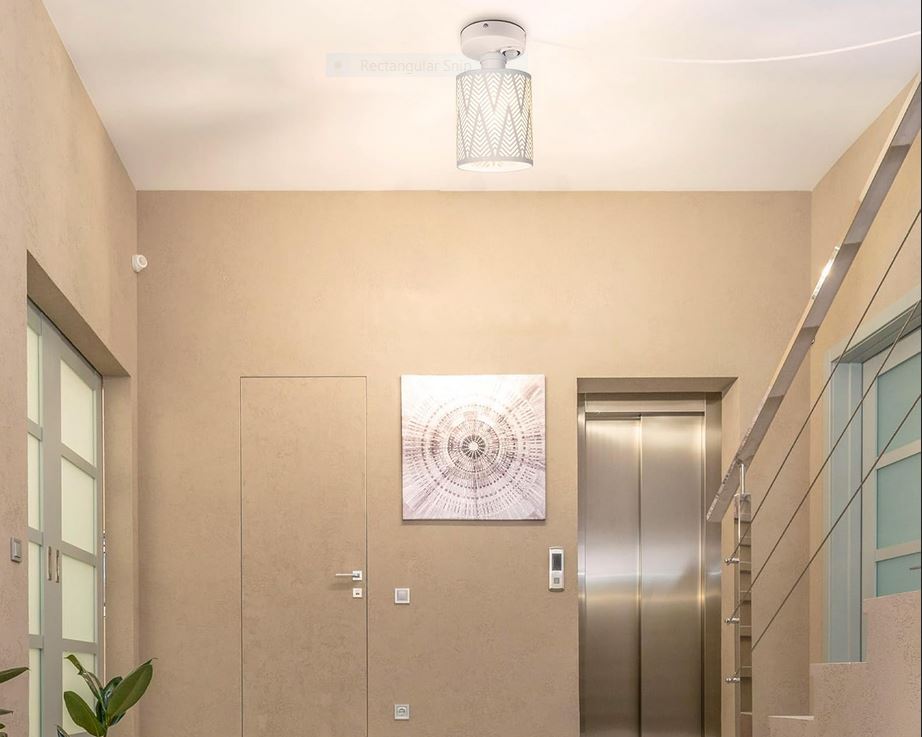
Pendant light fixtures have become increasingly popular among homeowners seeking to transform their living spaces with stylish and functional lighting. These suspended luminaires hang gracefully from the ceiling, offering both practical illumination and striking visual appeal that can completely redefine a room’s character. Whether you’re looking to brighten a kitchen island, add drama to a dining area, or create an inviting atmosphere in an entryway, pendant lights provide an elegant solution that combines form and function.
In today’s environmentally conscious world, the importance of energy-efficient lighting cannot be overstated. Modern pendant fixtures often incorporate LED technology and smart features that significantly reduce energy consumption while delivering superior light quality. Additionally, many contemporary pendant lights are designed for straightforward installation, with options available that don’t require complex rewiring or professional electrical work. This accessibility makes it easier than ever for homeowners to upgrade their lighting and enjoy immediate improvements in both ambiance and energy savings, all while adding a distinctive design element to their homes.
Understanding Pendant Light Fixtures
Pendant light fixtures are suspended lighting elements that hang from the ceiling by a cord, chain, or metal rod, creating a striking visual statement while providing targeted illumination. Unlike flush-mount ceiling lights that sit directly against the ceiling, pendants descend into the room’s space, drawing the eye upward and adding vertical dimension to interior design. These versatile fixtures come in countless configurations, from single statement pieces that command attention to clustered arrangements that create dramatic lighting installations.
The primary benefit of pendant lighting lies in its ability to serve dual purposes simultaneously. Functionally, pendants direct light exactly where it’s needed, whether that’s illuminating a kitchen countertop for meal preparation or casting a warm glow over a dining table during evening gatherings. Aesthetically, they act as sculptural elements that enhance a room’s character and establish visual hierarchy within a space. A well-chosen pendant can transform an ordinary room into an extraordinary one by serving as an architectural focal point that anchors the entire design scheme.
Pendant lights excel at defining specific zones within open-concept living areas, helping to delineate spaces without physical barriers. In kitchens, a row of pendants above an island creates a clear workspace boundary while maintaining the open feel. In entryways, a statement pendant immediately sets the tone for the entire home, welcoming guests with both light and style. The adjustable height of most pendant fixtures allows homeowners to customize the lighting effect, positioning the source closer to surfaces for task lighting or higher for ambient illumination. This adaptability makes pendants suitable for rooms with various ceiling heights and purposes, from cozy breakfast nooks to grand foyers with soaring ceilings.
Types of Pendant Lights
Traditional pendant lights feature classic designs with ornate details, often incorporating elements like frosted glass shades, crystal accents, or bronze finishes that complement formal dining rooms and traditional home aesthetics. Modern pendants embrace minimalist principles with clean lines, geometric shapes, and materials like brushed nickel or matte black metal paired with clear or white glass. Industrial-style pendants draw inspiration from warehouse and factory lighting, showcasing exposed bulbs, wire cages, metal shades, and raw finishes that add urban edge to contemporary spaces.The construction materials significantly influence both the pendant’s appearance and the quality of light it produces. Metal pendants in brass, copper, or steel offer durability and can range from polished and reflective to aged and textured. Glass pendants provide versatility through various treatments—clear glass creates bright, focused light while colored or textured glass diffuses illumination and adds decorative interest. Wood pendants bring natural warmth and organic texture, particularly effective in spaces embracing Scandinavian or rustic design themes. Some fixtures combine multiple materials, such as wood with metal accents or glass with fabric shades, creating layered visual interest that bridges different design styles within a home.
Benefits of Pendant Lighting
Pendant lighting offers remarkable versatility that extends far beyond basic illumination, adapting seamlessly to virtually any room configuration or design requirement. These fixtures can be installed individually for understated elegance or grouped in multiples to create bold, layered lighting arrangements that transform ordinary spaces into extraordinary ones. The adjustable hanging length allows homeowners to customize the fixture’s position based on ceiling height and room purpose—lower placements work beautifully for task-oriented areas like kitchen islands where concentrated light enhances visibility, while higher installations provide ambient lighting that fills entire rooms with gentle, diffused illumination.
The design flexibility inherent in pendant lighting makes it exceptionally easy to coordinate with existing décor or establish an entirely new aesthetic direction. With thousands of styles available spanning every design movement from vintage Victorian to ultra-contemporary, homeowners can select fixtures that either blend harmoniously with current furnishings or serve as conversation-starting focal points that elevate the entire space. This adaptability proves particularly valuable during home renovations or style updates, as changing pendant fixtures offers a relatively simple yet impactful way to refresh a room’s appearance without undertaking major construction projects.
Beyond aesthetics, pendant lights significantly enhance home functionality by providing targeted illumination exactly where activities occur. In kitchens, pendants positioned above work surfaces eliminate shadows that hinder food preparation, while in home offices, properly placed fixtures reduce eye strain during extended computer work or reading sessions. The directed light from pendants creates distinct zones within open-floor plans, helping to psychologically separate cooking areas from dining spaces or reading nooks from general living areas. This zoning effect improves both the practical usability and perceived organization of multipurpose rooms, making homes feel more thoughtfully designed and comfortable for daily living while maintaining an open, flowing layout that contemporary homeowners prefer.
Energy Efficiency
Modern pendant light fixtures increasingly incorporate LED technology that dramatically reduces energy consumption compared to traditional incandescent or halogen bulbs, with some LED pendants using up to eighty-five percent less electricity while producing equivalent or superior light output. This efficiency translates directly into lower monthly utility bills, with the cumulative savings over a fixture’s lifespan often exceeding the initial purchase cost. LED pendants also generate significantly less heat than conventional lighting, reducing cooling costs during warmer months and creating more comfortable environments in frequently used spaces like kitchens where heat buildup from traditional lighting can become uncomfortable.
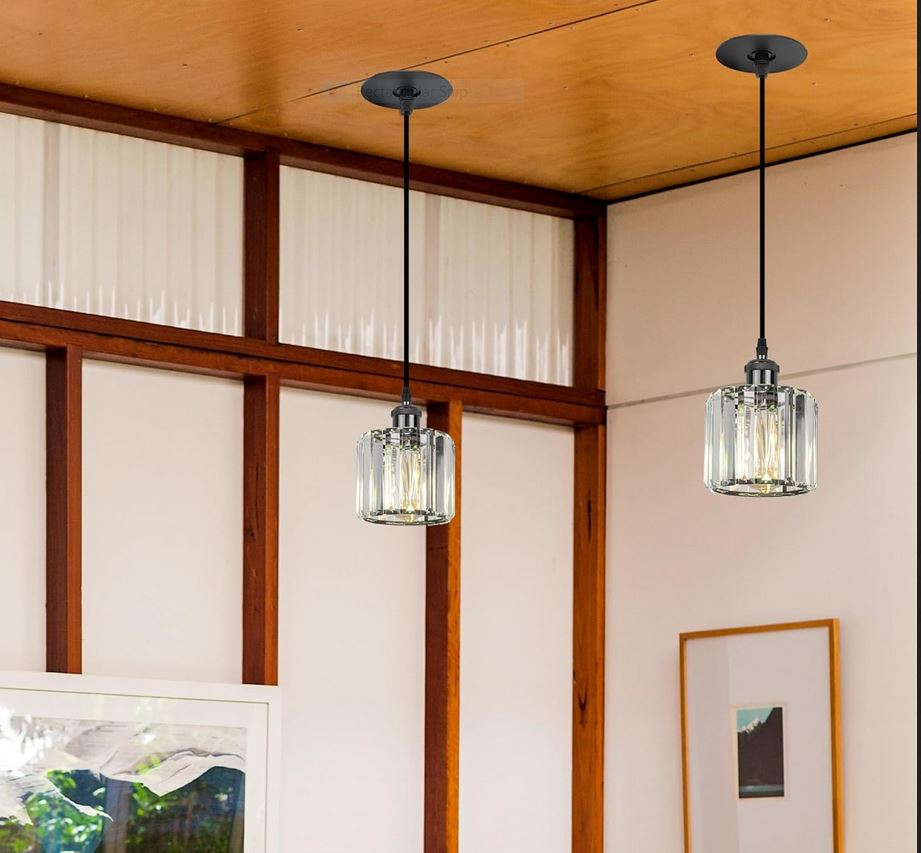
The integration of smart controls and dimming capabilities in contemporary pendant fixtures further enhances energy savings by allowing homeowners to adjust light levels according to actual needs rather than operating at full brightness constantly. Motion sensors and programmable timers ensure lights operate only when spaces are occupied, eliminating the waste associated with fixtures left on in unoccupied rooms. Many manufacturers like KIVENLIGHTING now offer smart pendant systems that connect to home automation platforms, enabling remote control via smartphone apps and the creation of customized lighting schedules that align with daily routines. These features contribute to sustainable living practices while providing convenience, allowing homeowners to reduce their environmental footprint without sacrificing comfort or functionality in their daily lives.
Design Flexibility
The aesthetic versatility of pendant lights allows them to complement virtually any interior design style, from rustic farmhouse kitchens adorned with mason jar pendants to sleek, minimalist spaces featuring geometric metal fixtures with architectural presence. Homeowners can select finishes, shapes, and materials that either harmonize with existing design elements or introduce contrasting textures that add visual interest and depth to otherwise uniform spaces. The wide range of available sizes ensures appropriate scale for any room—delicate mini pendants suit intimate spaces like breakfast nooks, while oversized statement pieces command attention in grand entryways or above expansive dining tables.
Pendant lighting excels at creating distinct moods and atmospheres through both fixture selection and strategic placement. Warm-toned glass shades paired with dimmable bulbs establish cozy, intimate environments perfect for relaxed evening dining or quiet reading corners. Clear glass pendants with exposed Edison-style bulbs generate an inviting, casual ambiance suited to social gathering spaces where conversation flows freely. Clustered arrangements at varying heights introduce dynamic visual rhythm and contemporary sophistication, while single statement pendants provide elegant simplicity that allows other design elements to shine. By thoughtfully selecting pendant styles and adjusting light intensity, homeowners can transform the same space from energizing and bright during daytime activities to soft and restful for evening relaxation, maximizing the functional versatility of every room.
Transform Your Home with Pendant Lighting
Pendant light fixtures represent a powerful combination of practical illumination and artistic expression that can fundamentally transform how homeowners experience their living spaces. Throughout this exploration, we’ve examined how these versatile fixtures provide targeted lighting for specific tasks while simultaneously serving as sculptural focal points that define a room’s character. From energy-efficient LED technology that reduces utility costs to smart controls that enhance convenience, modern pendant lighting delivers tangible benefits that extend well beyond mere aesthetics. The remarkable variety of styles, materials, and configurations ensures that every homeowner can find fixtures perfectly suited to their unique design vision and functional requirements.
Whether you’re renovating a kitchen, refreshing a dining area, or simply seeking to elevate your home’s ambiance, pendant lights offer an accessible and impactful solution that delivers immediate results. Their ability to create distinct zones within open spaces, establish mood through adjustable illumination, and complement any interior style makes them an invaluable design tool for contemporary living. As you consider lighting upgrades for your home, pendant fixtures deserve serious consideration as a stylish, practical, and energy-conscious choice that enhances both the beauty and functionality of your living environment for years to come.
