
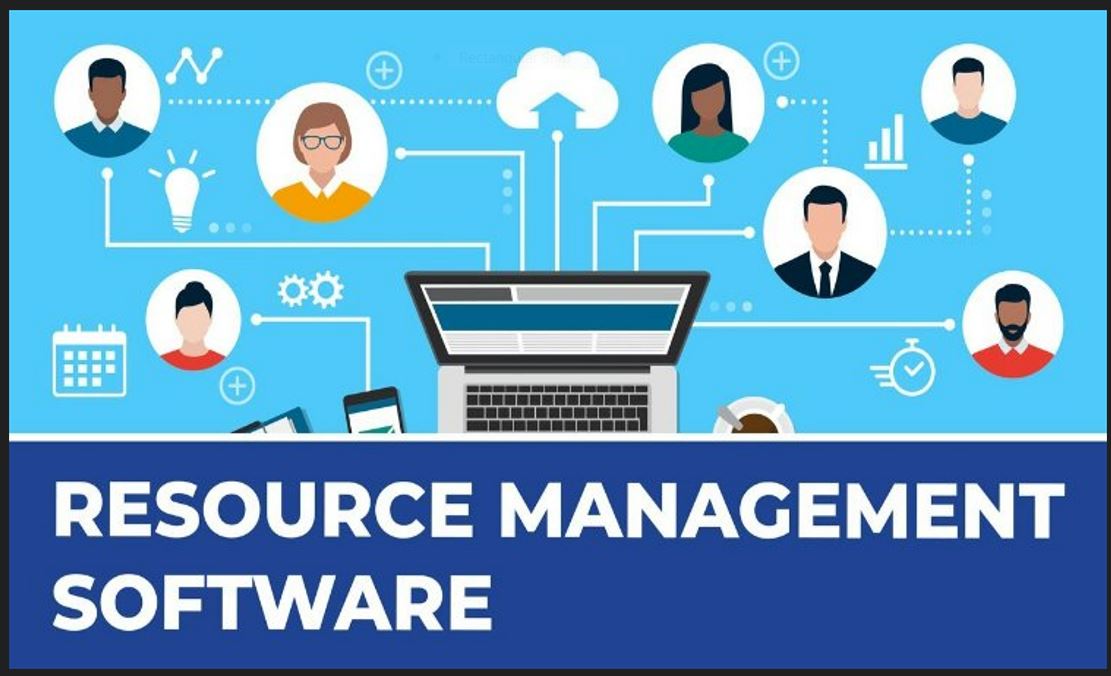
Resource optimization starts with knowing what you have and what you need. Using resource management software gives you a clear view of people, skills, equipment and time, so you can match supply to demand rather than guess. When data is central, decisions are faster and less risky. Let’s take a look at 5 reasons why there is a need for resource optimization in an organization:
Cut costs and reduce waste
Organizations often carry hidden costs in unused capacity, duplicated tools and inefficient schedules. Optimization helps you spot where work piles up or where people are idle, so you can redeploy talent or pause nonessential spend. That means fewer surprise invoices and more budget for strategic work. Small changes here add up quickly and free money for training or growth.
Deliver projects on time and with confidence
When you know who is available and who has the right skills, you can staff projects more accurately and set realistic timelines. Optimization helps you forecast demand and smooth peaks so teams do not get overwhelmed at the last minute. Pairing forecasts with resource management software gives leaders the data to commit to deadlines they can meet. Better delivery keeps clients happy and protects your reputation.
Improve employee experience and retention
People burn out when workloads are uneven or when their skills are ignored. Resource optimization allows you to assign work more evenly across your workforce and match people with projects that matches their skills and goals. This way, you can make your employees feel more seen and understood, which improves morale and decreases turnover rates. Once employees get meaningful work and a fair schedule, their engagement improves and recruitment costs decrease.
Make better hiring and development decisions
Optimization will determine whether you actually need to recruit someone new or you can reskill someone you already have in your team. This approach helps avoid unnecessary recruiting and onboarding time. It also helps direct training budgets to the most useful skills. Using data to guide hiring and learning makes those investments more effective and keeps your workforce future-ready.
Increase agility and reduce risk
Markets shift fast and priorities change. Resource optimization gives you a live picture of capacity, so you can quickly reassign people when new work appears. It also reveals single points of failure so you can create backups and reduce business risk. Over time, this resilience helps your organization respond to change without falling behind.
Start with a clean inventory of skills, current assignments and upcoming work. Use a pilot team to test rules for prioritization and assignment. Good resource management software cuts manual work and keeps data current so you can scale the process confidently. Choose tools that make it easy for people to update their profiles and for managers to approve changes.
ProFinda brings together skills, intelligence and planning so organizations can optimize resources while supporting career growth. Their platform helps you match people to work faster and keep utilization healthy.
Resource optimization is not just a finance exercise. It is about making work fairer, delivering more reliably and making teams stronger. Start small, measure what matters and build the habit so your organization gets more done with the talent you already have.
