
Everyday safety at home is often shaped by small habits rather than big purchases. Most homeowners do not think about safety unless something goes wrong, yet many of the most effective improvements are simple, affordable, and easy to maintain. When safety becomes part of daily routines, it feels less like a chore and more like common sense.
Looking at home safety through this practical lens helps homeowners avoid feeling overwhelmed. Instead of focusing on worst case scenarios, the focus shifts to reducing everyday risks. Better lighting, smarter habits, and basic awareness go a long way. For many households, these steps naturally lead to considering a security system for the home as one layer within a much broader safety approach.
The goal is not perfection. It is consistency. Small improvements, repeated daily, create a safer environment without disrupting how people actually live.
Lighting as the First Line of Defense
Lighting is one of the simplest and most overlooked safety tools available to homeowners. A well-lit home feels more comfortable and is less inviting to unwanted activity. Indoors, lighting reduces the risk of trips and falls, especially in hallways, staircases, and entryways.
Outside, lighting plays an equally important role. Motion activated lights near doors, garages, and walkways provide visibility without wasting energy. They also offer a subtle alert that movement has been detected, which can be enough to discourage suspicious behavior.
Homeowners who treat lighting as part of their safety routine often make small adjustments over time. Replacing dim bulbs, adjusting fixture angles, and checking that outdoor lights are working becomes a seasonal habit rather than a reaction to a problem.
Locks and Entry Points That Support Daily Life
Locks are most effective when they are easy to use consistently. If a lock is difficult, people are less likely to use it properly. That makes simplicity an important safety feature.
Checking that doors and windows close securely is a basic but essential step. Deadbolts should extend fully. Sliding doors benefit from secondary barriers like simple rods or braces. Window locks should be checked periodically, especially after seasonal temperature changes.
It is also helpful to think about how often entry points are used. The most frequently used door deserves the most attention. A strong lock that is never used does not improve safety. A reliable lock that fits daily habits does.
For guidance on choosing and maintaining effective locks, many homeowners turn to Consumer Reports’ home safety and security guidance for practical, unbiased advice.
Neighborhood Awareness Without Paranoia
One of the most powerful safety tools does not cost anything. Awareness. Knowing what normal looks like in your neighborhood makes it easier to notice when something feels off.
This does not mean watching everything. It means simple engagement. Greeting neighbors. Noticing patterns. Being familiar with delivery schedules and regular activity. When people feel connected to their surroundings, they naturally become more attentive.
Sharing information helps too. Letting a neighbor know when you will be away or offering to pick up packages creates informal support systems. These habits build trust and reduce isolation, which benefits safety and overall well being.
Routine Habits That Reduce Risk
Many safety issues come from rushed moments. Leaving doors unlocked while running errands. Forgetting to turn off appliances. Skipping basic checks because life feels busy.
Building small routines helps counter this. Locking doors becomes part of leaving the house, not a separate task. Checking smoke detectors happens during seasonal transitions. Clearing walkways becomes a weekend habit.
These routines do not need to be complicated. In fact, the simpler they are, the more likely they are to stick. Safety improves when it fits naturally into daily life.
Homeowners often find helpful reminders and checklists through resources like the Centers for Disease Control and Prevention’s home safety recommendations, which focus on preventing common household injuries rather than reacting to emergencies.
Technology as a Support Tool, not a Substitute
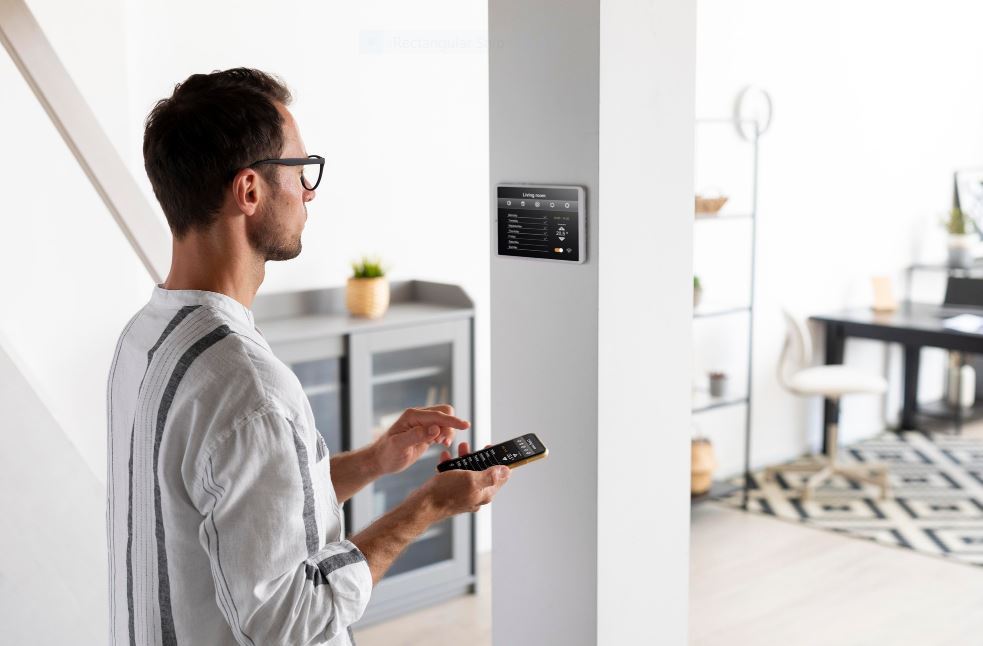
Technology can support good habits, but it works best when it reinforces existing routines. Smart doorbells, cameras, and alerts provide visibility and peace of mind, but they are most effective when paired with awareness and consistency.
A security system for the home fits naturally into this mindset when it is viewed as a backup rather than a replacement. It adds a layer of protection, especially during times when attention is divided or routines are disrupted.
Homeowners who feel most confident about their safety often combine technology with simple habits. They lock doors, know their neighbors, keep their homes well lit, and use technology to fill in the gaps.
Why Simple Steps Matter More Than Big Changes
Big upgrades can feel intimidating. Simple steps feel doable. That difference matters. When safety improvements feel manageable, homeowners are more likely to follow through and maintain them over time.
Everyday safety is built through repetition. Turning on lights. Locking doors. Checking surroundings. These actions may not feel dramatic, but they are effective.
By focusing on practical habits and thoughtful improvements, homeowners create environments that feel secure without feeling restrictive. Safety becomes part of daily life, not a constant worry.
In the end, the safest homes are not the most complex ones. They are the ones where awareness, routine, and common sense work together quietly, every day.
