
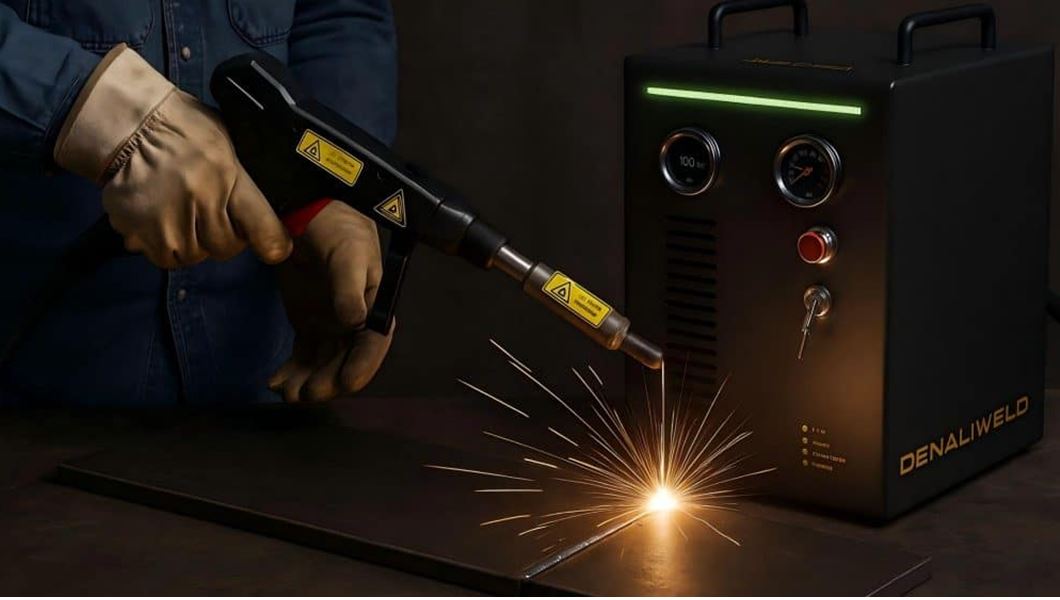
Picking the right welding method is more than a technical choice—it’s about what fits your project like a glove. Laser welding machine systems are making waves, but that doesn’t mean old-school welding isn’t still relevant. Here’s a look at how they stack up:
Introduction
How you weld affects not just the weld, but your workflow, budget, and overall project quality. Laser welders are precise and fast—but traditional welding methods, like MIG or TIG, have stood the test of time. Choosing the right method depends on whether precision or rugged practicality is what you need most.
Comparison Overview
| Feature | Laser Welding Machine | Traditional Welding (MIG/TIG) |
| Speed | Lightning-fast | Slower, more methodical |
| Precision | Micrometer accuracy | Good, but unpredictable |
| Heat Impact | Barely any distortion | Noticeable warping potential |
| Equipment Cost | Quite pricey upfront | Wallet-friendly |
Laser Welding Advantages
Precision & Quality
Laser welding is like drawing with a fine-tipped pen—everything is clean, sharp, and requires little cleanup afterward. Perfect for electronics or aerospace parts where precision matters.
Speed & Throughput
Lasers aren’t just precise—they’re fast. You’re looking at up to ten times the speed of MIG/TIG welding, which means more parts, less downtime.
Versatility
They handle a bunch of materials—steel, aluminum, some plastics—with minimal setup and recalibration. Ideal for shops switching between jobs.
Non-Contact Process
Since the laser doesn’t touch the metal, there’s no tool wear. And parts stay cool and undisturbed—great for sensitive assemblies.
Traditional Welding Strengths
Heavy-Duty Performance
MIG and TIG love thick metals and parts that don’t fit perfectly together. They bridge gaps more forgivingly and deliver solid welds in rougher conditions.
Affordability & Ease
These rigs can run you a few hundred bucks and are familiar to most welders. Easy to learn, easy to fix—no need for specialized gear.
On-Site Flexibility
Need to weld your chassis in the field or on a construction site? MIG/TIG rigs are portable and rugged—no fuss setup required. And for teams that need advanced capabilities on the go, systems like Denaliweld offer a high-tech complement without adding complexity. Demand for welding in las vegas continues to grow as contractors and property owners need fast, local metal repair solutions.
Laser vs Traditional: Side-by-Side
- Speed: Laser speeds ahead.
- Precision: Laser defines the edge; MIG/TIG is more variable.
- Heat: Laser keeps things cool; MIG/TIG brings the heat (literally).
- Cost: Laser is an investment; MIG/TIG is affordable.
- Versatility: Laser tackles delicate jobs; MIG/TIG handles hefty jobs.
- Training: Laser needs specialists, MIG/TIG is more accessible.
When to Choose What
- Micron-tight seams or ultra-thin sheets? Laser’s your go-to.
- Thick metals or rough fits? MIG or TIG is your dependable friend.
- Working in rough, varied locations? MIG/TIG wins for toughness.
- Watching your budget? MIG/TIG keeps costs in check.
Challenges & What to Know
Laser Welding is incredible—but not without its demands:
- Cost: High initial investment that pays off over time.
- Material quirks: Reflective metals might need special prep.
- Cooling: Must be managed carefully.
- Expertise: Requires trained operators.
- Joint precision: Poor prep = poor results.
If you’re up to preparing properly and funding wisely, lasers are a game-changer.
Conclusion
Here’s the bottom line:
- Need speed, pinpoint accuracy, and minimal cleanup? Go laser with a laser welding machine.
- Want rugged affordability, field readiness, and less fuss over setups? Stick with MIG or TIG.
Both have their own charm, strengths, and perfect uses. Just make sure your choice matches your job.
