
Introduction
The world of entertainment is evolving at a breakneck pace. Video games and movies have long been separate experiences, but technological breakthroughs are changing that dynamic.
According to Private Internet Access (PIA), a rising trend in gaming is integrating content inspired by adaptations directly into the games. For example, CD Projekt Red updated The Witcher 3 with armor and quests inspired by The Witcher Netflix series, enabling players to unlock show-themed gear through gameplay. Similarly, Cyberpunk 2077 introduced free content from the Edgerunners anime, adding weapons and cosmetics based on the series.
With the rise of holographic cinema and neural interfaces, the line between playing a game and watching a movie is blurring. By 2025, these innovations could revolutionize how we consume media, making video game adaptations more immersive and interactive than ever before.
The Rise of Holographic Cinema
What is Holographic Cinema?
Holographic cinema uses 3D holographic projections to create lifelike, immersive visuals without the need for traditional screens. Unlike standard 3D movies that require glasses, holographic films project characters and environments into the real world, making them appear almost tangible.
How It Enhances Traditional Movie-Watching Experiences
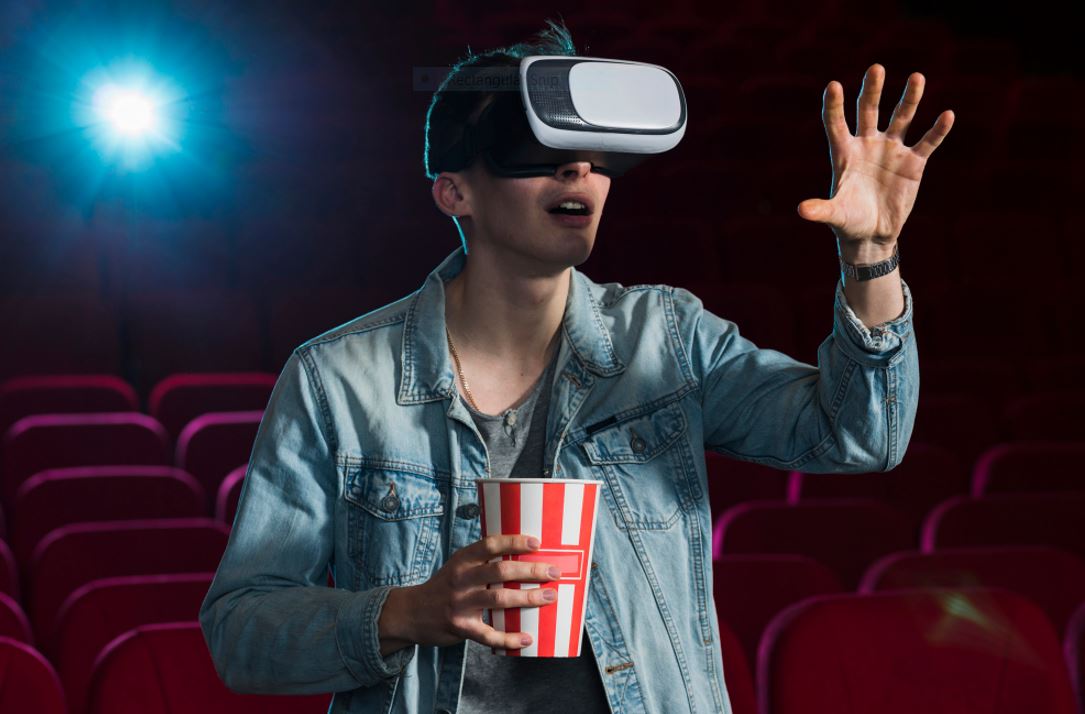
Imagine watching a game-inspired movie where the characters step off the screen and into your living room. Holographic cinema adds depth and realism that standard 2D and even 3D movies cannot achieve. This level of immersion makes action sequences, landscapes, and character interactions more engaging and lifelike.
Current Developments in Holographic Technology
Tech giants like Microsoft, Sony, and Meta are investing heavily in holography. Augmented reality (AR) and virtual reality (VR) have paved the way for advanced holographic displays. Devices like Microsoft HoloLens and Meta’s AR Glasses suggest that we’re not far from full-scale holographic movie experiences.
Holography in Gaming Adaptations
How Video Game Movies Benefit from Holography
Video game adaptations have historically struggled to capture the depth and interactivity of their source material. With holography, gaming movies can retain their immersive qualities, bringing in interactive elements that make viewers feel like they’re inside the game world.
Interactive Storytelling Through Holography
Holographic technology can make movies more dynamic by allowing viewers to change perspectives or interact with objects in the scene. This could lead to choose-your-own-adventure-style storytelling, where the audience has some level of control over the narrative.
Neural Interfaces and Their Role in Entertainment
What Are Neural Interfaces?
Neural interfaces, also known as brain-computer interfaces (BCIs), allow direct communication between the human brain and external devices. These interfaces have primarily been developed for medical purposes, but entertainment companies are now exploring their potential for gaming and movie experiences.
Advancements in Brain-Computer Interaction
Companies like Neuralink (Elon Musk’s company) and OpenBCI are pushing the boundaries of neural technology. By 2025, we may see lightweight, non-invasive neural interfaces that can be used for entertainment purposes, allowing users to experience movies on a whole new level.
The Impact of Neural Interfaces on Movie Watching
With BCIs, movies could adapt in real-time based on the viewer’s emotions and thoughts. Imagine watching a horror film, and the storyline shifts depending on your level of fear! These interfaces could also enable hands-free interaction, making movie watching more personalized and immersive.
The Merger of Gaming and Cinema
Blurring the Line Between Interactive Gaming and Passive Watching
With both holography and neural interfaces, gaming movies could evolve into interactive hybrid experiences. Instead of passively watching, audiences might be able to influence events, interact with characters, or even “step into” scenes as if they were inside the game world.
AI and Real-Time Adaptation in Movies
Artificial intelligence (AI) could work alongside neural interfaces to make movies more responsive. AI-driven narratives could change based on audience reactions, leading to a customized experience for each viewer.
The Future of Immersive Entertainment
Predictions for 2025 and Beyond
By 2025, holographic theaters and neural headsets may become mainstream. Studios might create fully immersive gaming movies where audiences participate in the action instead of just watching it.
Challenges and Ethical Concerns
However, with these advancements come challenges:
- Cost and accessibility – Will this tech be affordable for the average consumer?
- Health risks – Could neural interfaces cause mental fatigue or overstimulation?
- Privacy issues – How will companies handle user brain data?
The Ethics of Neural Entertainment
Privacy Issues with Brain-Computer Interfaces
One major concern with BCIs is data security. If a device can read your brain signals, what’s stopping companies from collecting and analyzing your thoughts? Regulations will need to protect users from potential misuse of their neural data.
Risks of Mental Overstimulation
Too much neural stimulation could lead to cognitive overload, impacting mental health. Developers will need to find a balance between immersion and user well-being.
Conclusion
Holographic cinema and neural interfaces are set to transform entertainment by 2025. These technologies could make video game adaptations more interactive, immersive, and engaging than ever before. While challenges exist, the potential benefits could redefine how we experience movies.
FAQs
1. Will holographic cinema replace traditional movies?
Not entirely, but it will introduce new ways to experience films alongside conventional formats.
2. How do neural interfaces enhance the movie-watching experience?
They allow real-time interaction and adaptive storytelling based on audience emotions.
3. Are there risks involved in using neural interfaces?
Yes, including privacy concerns and potential mental fatigue from overstimulation.
4. What companies are investing in this technology?
Major players include Neuralink, Microsoft, Meta, and Sony.
5. When will these innovations become mainstream?
By 2025, we could see early adoption, but mass accessibility may take longer.
Read Also:
Yupmovie Com – Best Streaming Website for Movies
Rare Toons India: A Top-rated Platform for Hindi Dubbed Anime
