
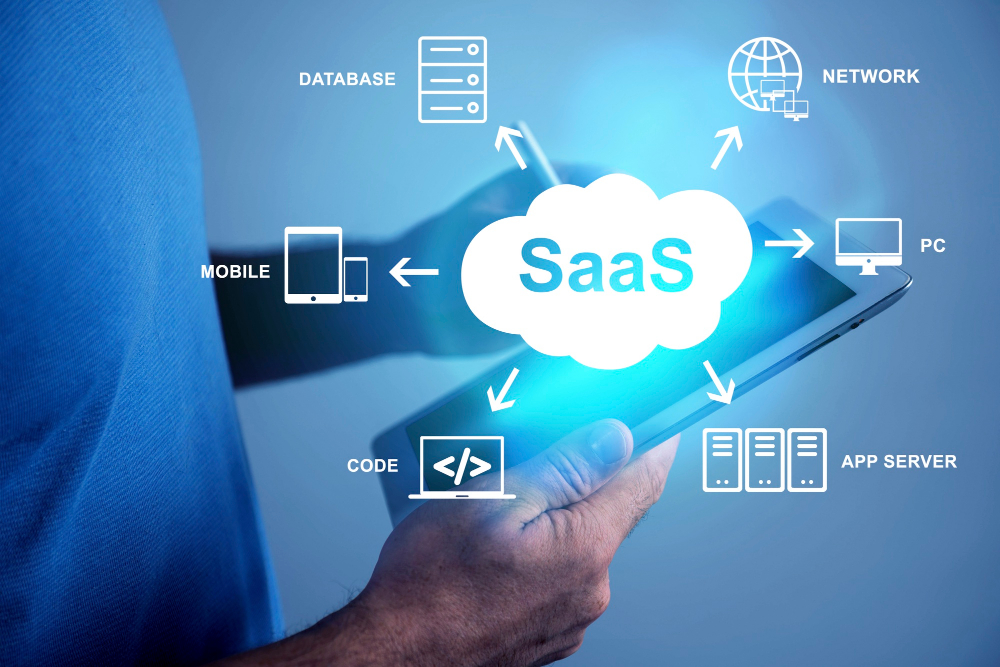
For decades, the formula for software monetization was simple: build a product, lock it behind a paywall, and collect a check. However, the modern SaaS landscape has rendered that binary approach obsolete. Today, customers expect granular, usage-based models, while businesses need the agility to experiment with pricing without triggering a six-month engineering overhaul. This is where entitlement management emerges as the critical infrastructure for growth.
At its core, entitlement management is the process of defining and enforcing what a customer can do within your software. It governs access to features, sets usage limits, and manages quotas based on the customer’s plan or purchased add-ons. While this might sound like simple access control, its strategic implications are profound. Companies that master entitlements move beyond static tiered pricing to create dynamic, value-based monetization models.
Entitlement management systems are redefining the landscape. By treating entitlements as a centralized, decoupled logic layer, businesses can finally turn product features into a flexible revenue stream without the technical debt of rebuilding billing logic for every new promotion or pricing experiment.
The Problem with Entitlements
In many early-stage SaaS companies, entitlement logic is an afterthought. This works for a while. But as the product scales, this hardcoded logic becomes a growth inhibitor. Every time the marketing team wants to launch a new pricing tier, offer a temporary promotion, or bundle features differently, they have to submit a ticket to engineering. What should be a simple configuration change turns into a development sprint.
This bottleneck leads to what industry experts call “entitlement sprawl.” As pricing structures become more complex adding usage meters, deal-specific exceptions, and regional variations the logic fragments across the codebase. Product development slows down because engineers are bogged down with monetization tasks, and sales motions become harder to execute. Customers end up focusing more on understanding complex usage constraints rather than realizing the product’s value.
The fundamental issue is that billing tells you what to charge, but entitlements tell you what a customer can do right now. When these two are tightly coupled in code, changing one breaks the other.
The Core of Modern Monetization
The solution to this complexity is decoupling. By removing entitlement logic from the main application codebase and housing it in a dedicated management system, SaaS companies achieve go-to-market agility. This separation allows you to turn product features into a true revenue stream because you can package and price them independently of the development cycle.
This approach fundamentally changes the business model. Instead of viewing your product as a monolithic application with three tiers, you view it as a collection of features and meters that can be mixed and matched. You can now launch entitlement and pricing rules that work across all currencies and regions without needing to localize code. A customer in Europe might see usage limits defined by EU data regulations, while a customer in Asia has a different feature set all managed through configuration, not custom code branches.
As discussed in modern SaaS monetization strategies, companies that implement a robust entitlements service early on achieve uncommonly efficient monetization because they give business users control over how offerings are packaged and priced for individual customer cohorts.
Experimentation Without Risk
One of the most powerful benefits of a decoupled entitlement system is the ability to experiment. In traditional models, changing pricing or launching a coupon is high stakes. If the logic is hardcoded, a bug in the pricing logic could accidentally grant free access to Enterprise features or, conversely, lock paying customers out of services they have purchased. This directly risks revenue and customer relationships.
With modern entitlement management, you can experiment with pricing, coupons, and add-ons in a sandboxed environment. You can A/B test whether a “freemium” tier with limited exports converts better than a time-limited trial. You can test the impact of a new “AI credit” meter without touching the core billing engine.
Because the entitlement layer sits between the product and the billing system, it acts as a safety valve. If a promotion does not drive the expected conversion, you can turn it off instantly. If a new pricing model causes confusion, you can roll back without a deployment. This flexibility allows SaaS businesses to adopt hybrid models combining subscriptions, usage-based consumption, and outcome-based pricing confidently. As the industry shifts toward AI-driven offerings where the “unit of value” is constantly changing, this ability to iterate on monetization is no longer a luxury, but more like a necessity.
Seamless Access and Schema-Less Migration
A major technical headache for growing SaaS companies is data migration. When you upgrade a customer from a “Basic” plan to a “Premium” plan, what happens to their data? What happens to the features they were using? If your data schema is rigid, upgrading a customer might require complex database migrations that risk downtime or data corruption.
Entitlement management solves this with schema-less migration. This means the structure of who gets what is flexible and not tied to a rigid database table. When you upgrade or downgrade a customer, you are simply changing their entitlement policy, not rewriting their data row.
For example, a customer on a “Basic” plan might be limited to 1,000 API calls per month. If they upgrade mid-month, an entitlement-first approach grants them immediate access to the higher limit or new features. The system automatically applies the new rules with no disruption to their service. Conversely, if a customer downgrades, the system can enforce a “grace period” or a “read-only” mode for data that now exceeds their new quota, rather than instantly cutting them off. This seamless transition protects the customer relationship while ensuring the business rules are enforced.
Building a Support-Friendly Entitlement Model
For an entitlement strategy to be effective, it must be usable by more than just engineers. Customer support and sales operations teams need visibility and control. A well-designed system creates a “single source of truth” for who can do what.
Instead of support teams having to file a ticket to grant a temporary exception like extending a trial or adding extra seats for a busy season they should have access to an admin tool that lets them create customer overrides. These overrides are time-bound and reversible. A support agent could grant “+10 seats for 14 days” without ever touching the codebase. By centralizing these rules, businesses ensure that the product UI, the backend API, and the mobile app all check the same source. If an admin disables a feature via the entitlement override, it disappears everywhere instantly.
Global Compliance and Currency Flexibility
For SaaS companies operating internationally, managing entitlements across different currencies and regions presents a unique challenge. A pricing strategy that works in the United States may not translate well to emerging markets, and data residency requirements often dictate which features can be offered in specific locations.
A sophisticated entitlement management system allows you to define regional rules without creating separate code branches. You can set pricing in local currencies while ensuring that the corresponding entitlements reflect regional compliance standards. For instance, customers in the European Union might automatically receive enhanced data privacy features as part of their base entitlement, while customers in other regions might have those features available as paid add-ons.
This geographical flexibility ensures that you are not leaving money on the table by applying a one-size-fits-all approach, while simultaneously maintaining compliance with local regulations.
Monetizing Usage and Consumption
The shift toward usage-based pricing has accelerated rapidly, particularly in the API economy and AI services. Customers want to pay for what they use, and businesses want to capture upside from heavy users. Entitlement management is the bridge that makes this possible.
By defining usage meters within your entitlement system, you can track consumption in real-time and enforce limits accordingly. When a customer approaches their plan limit, the system can trigger notifications, offer upsells, or gracefully throttle access. This turns your product into a dynamic pricing engine where revenue scales naturally with customer success.
Consider an AI image generation service. A customer on a basic plan might be entitled to generate 100 images per month. When they hit that limit, the entitlement system can present them with options to purchase additional credits or upgrade to a higher tier. This automated monetization happens without any engineering intervention, creating a self-serve revenue channel that operates 24/7.
Avoiding Customer Disruption During Plan Changes
One of the most delicate moments in the customer lifecycle is during plan changes. Whether a customer is upgrading due to growth or downgrading to reduce costs, the transition must be handled with care. A poorly executed downgrade that immediately cuts off access can burn bridges and send customers to competitors.
Entitlement management systems excel at handling these transitions gracefully. When a customer downgrades, the system can implement a notice period or provide read-only access to data that exceeds their new limits. This gives customers time to export their data or adjust their usage patterns without feeling punished.
Similarly, during upgrades, the system ensures that new features are available instantly. There is no need to wait for a batch process or manual approval. The customer pays, and the entitlements update in real-time, reinforcing the value of their decision to invest in your product.
The Strategic Advantage of Entitlement Management
As SaaS continues to evolve, the companies that succeed will be those that can adapt their monetization strategies quickly. The market is too competitive to wait weeks or months for engineering cycles to implement pricing changes. Entitlement management transforms pricing from a technical constraint into a strategic lever.
By decoupling your product logic from your billing logic, you empower your business teams to respond to market conditions, test new ideas, and optimize revenue without compromising stability. You protect customer relationships by ensuring seamless access during plan changes, and you open up new revenue streams by making it easy to package and sell features in innovative ways.
The future of SaaS monetization is flexible, granular, and customer-centric. Entitlement management is the foundation upon which that future is built. Whether you are a growing startup or an established enterprise, investing in a robust entitlement strategy will pay dividends in agility, revenue, and customer satisfaction.
Conclusion
Turning product features into a revenue stream requires the infrastructure to package, price, and enforce those features dynamically. With a robust entitlement management strategy, you can finally experiment with pricing models, manage global rules, and ensure seamless customer upgrades without ever putting your core product at risk. The days of hardcoded pricing logic are ending. The era of intelligent, flexible entitlement management is here.
