
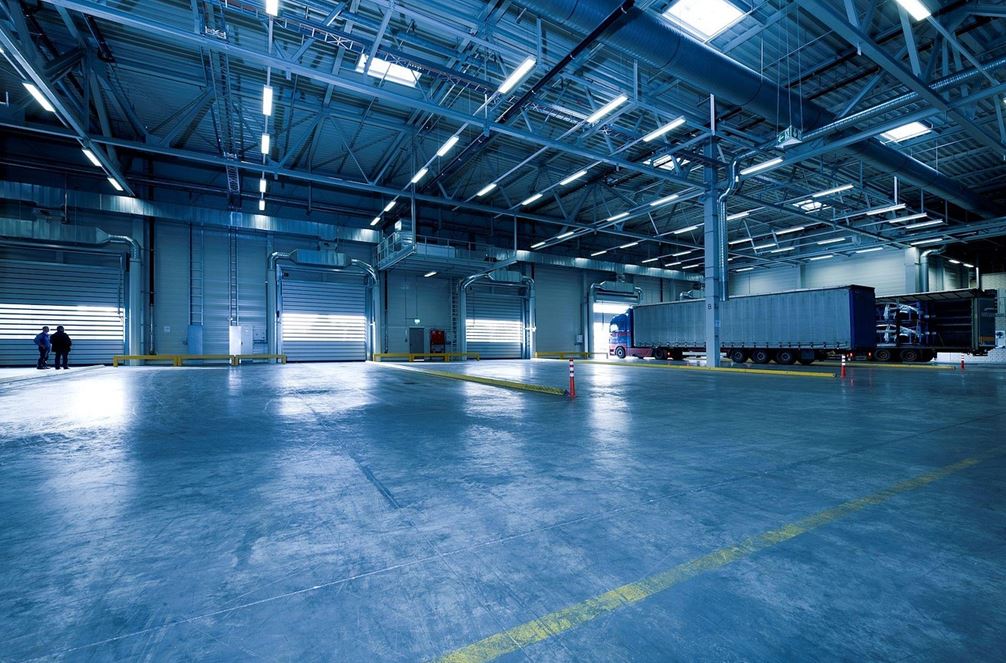
In today’s logistics-driven economy, warehouses are more than just storage spaces—they’re the backbone of supply chains. With rising demands on efficiency and safety, having a reliable warehouse security system is no longer optional. From theft prevention and inventory protection to real-time monitoring and operational optimization, security technology is playing a pivotal role in shaping modern warehouse environments.
For businesses managing valuable goods and high-volume operations, the right security system doesn’t just guard the doors—it integrates with your entire workflow. Here’s how smart, tech-enabled security can transform your warehouse from a risk-prone zone into a streamlined, secure hub of productivity.
The Rising Importance of Warehouse Security
Warehouses are often targeted for theft, break-ins, and internal pilferage, especially in high-turnover industries like e-commerce, retail, and electronics. As storage facilities expand in size and complexity, traditional locks and cameras are no longer sufficient. A modern warehouse security system must include a combination of physical deterrents, real-time surveillance, and smart analytics to stay ahead of threats.
Security breaches not only cause financial losses but can also result in operational delays, customer dissatisfaction, and regulatory issues. Investing in advanced security isn’t just about protection—it’s about business continuity.
Key Components of a Smart Warehouse Security System
Today’s best security systems go beyond basic video surveillance. Here are the core technologies that make a smart warehouse security system effective:
AI-Powered Surveillance Cameras
Modern security cameras equipped with artificial intelligence can detect and differentiate between normal and suspicious activity. AI-based motion detection reduces false alarms by ignoring routine movements while flagging unusual behavior. Some cameras even come with facial recognition, license plate reading, and heat mapping to help track personnel and vehicle movements inside and outside the facility.
Access Control Systems
Managing who can enter and exit different parts of a warehouse is critical. Biometric scanners, RFID cards, keypads, and mobile authentication systems give businesses precise control over access. When integrated with your security software, these systems can automatically log entries, send alerts for unauthorized attempts, and even restrict access during certain hours.
Intrusion Detection and Alarms
Sensors placed on doors, windows, and high-value inventory areas can trigger real-time alerts if tampered with. These alarms can be configured to alert managers, sound sirens, notify law enforcement, or trigger lockdown procedures. Advanced systems also include vibration sensors and laser-based perimeters for added protection.
IoT and Cloud Integration
The real power of a smart warehouse security system lies in connectivity. Cloud-based platforms allow security data to be monitored remotely via smartphones, tablets, or centralized dashboards. IoT sensors can provide real-time data on everything from unauthorized movement to temperature fluctuations that may affect stored goods.
How Smart Security Improves Operational Efficiency
Security systems are no longer standalone. When properly integrated, they support warehouse management and boost overall productivity.
For example, surveillance data can reveal inefficiencies in loading and unloading zones, helping managers optimize traffic flow. Access logs can aid in time tracking and compliance reporting. AI analytics can even help forecast potential risk zones based on historical data. These insights not only reduce incidents but also support smoother, faster operations across the board.
Benefits Beyond Protection
A smart warehouse security system doesn’t just prevent crime—it creates a safer, more organized work environment. Employees tend to feel more secure and accountable when they know the facility is monitored. This can lead to reduced accidents, fewer HR issues, and improved morale.
In regulated industries, a well-documented security system also ensures compliance with safety and data standards like ISO 28000, OSHA, or even GDPR if surveillance data involves personal identifiers.
Final Thoughts: Security as a Strategic Investment
Implementing a smart warehouse security system is one of the most strategic moves a business can make. It safeguards assets, streamlines daily operations, and builds trust with employees and partners. In a supply chain where every second counts, knowing your inventory is safe—and your operations are optimized—gives you a competitive edge.
As warehouses become smarter and more connected, your security systems should evolve with them. Investing in the right technologies today means less risk, greater control, and better business tomorrow.
