
The gap between independent content creators and major production studios has always been defined by resources. While a solo creator might have a brilliant concept, they rarely have access to a sound engineer, a lighting crew, or a consistent cast of actors. This resource disparity effectively walled off “cinematic” storytelling from the vast majority of digital storytellers. However, the release of Seedance 2.0 on February 12, 2026, by ByteDance has fundamentally altered this landscape. By consolidating the roles of videographer, sound designer, and continuity supervisor into a single AI-driven interface, this tool provides the “One-Person Studio” with the capability to produce broadcast-quality assets that rival traditional team-based productions.
Dismantling The Technical Barriers To High End Content
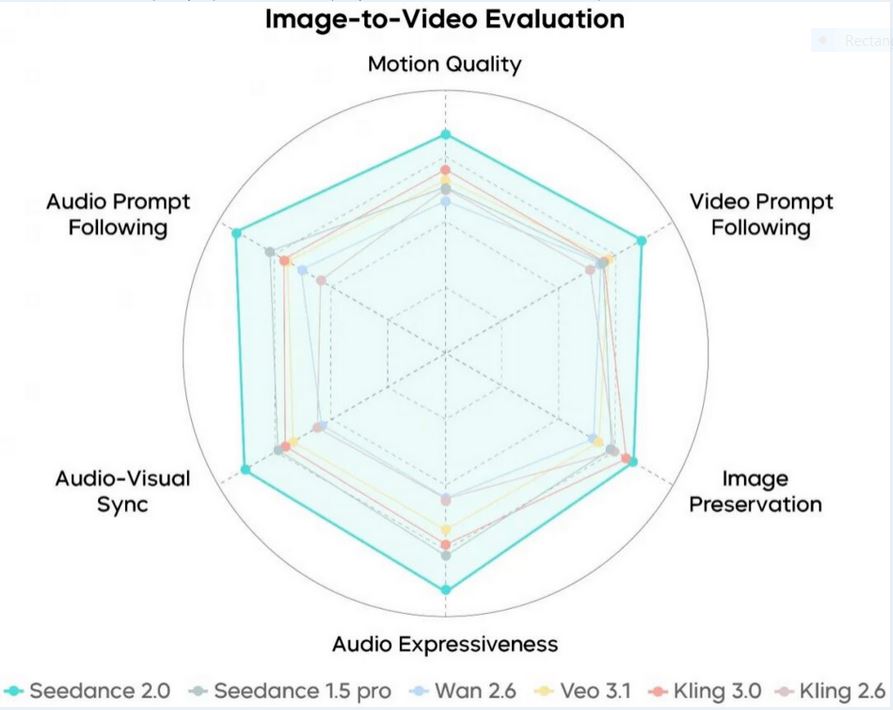
For years, the definition of “pro-sumer” video tools meant slightly better cameras or more complex editing software. It never solved the fundamental problem: you still needed to capture the footage and record the sound. The Seedance 2.0 architecture attacks this problem from a different angle. It does not help you edit footage; it generates the footage for you, complete with the physics and acoustics of the real world.
Automating The Sound Stage With Native Audio Synthesis
The most significant friction point for independent creators is audio. Bad sound ruins good video, and high-quality foley work is expensive and technical. In my testing of the platform, the “Native Audio” feature emerges as the critical equalizer. The model synthesizes sound effects and ambient noise in parallel with the visual generation.
Synchronizing Visual Actions With Acoustic Reality
This means that when a creator prompts a scene of a “busy subway station,” they do not receive a silent video file that requires hours of sound layering. They receive a file where the visual arrival of the train matches the auditory screech of the brakes, and the crowd noise swells naturally. This allows a solo creator to skip the entire post-production audio phase, moving directly from idea to a publishable asset.
Directing Virtual Actors Through Consistent Multi Shot Narratives
The second major barrier has been casting. Finding actors, scheduling shoots, and maintaining continuity is a logistical nightmare. The “Multi-Shot Narrative” capability solves this by virtualizing the actor. The system’s ability to maintain subject identity—preserving facial features and clothing details across different camera angles—allows a creator to build a reusable “digital cast.” A brand can create a consistent spokesperson or a narrative character that appears in ten different videos without ever hiring talent or booking a studio.
Operationalizing The One Person Studio Workflow
The power of this technology lies in its accessibility. The interface abstracts the complex VAE and Diffusion Transformer technology into a streamlined, four-step workflow that mimics the stages of professional production but executes them in minutes. Based on the official operational capabilities, here is how the system functions.
Establishing The Creative Direction With Precision Inputs
The process initiates with the “Describe Vision” phase. This is the pre-production meeting. The creator inputs a detailed text prompt outlining the scene’s action, lighting, and mood. Crucially, the system supports “Image-to-Video” input, allowing the creator to use a static image—perhaps a product photo or a character sketch—as the anchor for the entire video. This ensures that the generated content aligns perfectly with the creator’s existing brand guidelines.
Configuring Technical Standards For Digital Platforms
The second step is “Configure Parameters.” Here, the creator acts as the technical director. The system allows for the selection of resolutions up to 1080p, ensuring the output is crisp enough for YouTube or streaming. Aspect ratios can be toggled between vertical (9:16) for TikTok/Reels and horizontal (16:9) for long-form content. While individual generations cover 5 to 12 seconds, the architecture supports sequencing these into longer, coherent narratives up to 60 seconds.
Processing The Scene With Multimodal Intelligence
The third phase is “AI Processing.” This is the production phase. The model’s Qwen2.5 language core interprets the prompt’s physical requirements—gravity, light reflection, momentum—while the audio engine synthesizes the soundscape. The creator does not need to understand 3D modeling or sound engineering; they simply wait for the system to render the combined reality.
Exporting Final Assets For Immediate Distribution
The final step is “Export & Share.” The system delivers a polished MP4 file, free of watermarks. Because the audio and video are generated as a cohesive unit, the file is ready for immediate upload. This speed is vital for independent creators who need to capitalize on trending topics or maintain a high-frequency posting schedule.
Benchmarking The Efficiency Gains For Agile Content Teams
To understand the specific advantage this tool offers to the independent market, it is useful to compare the workflow of a solo creator using traditional stock assets versus one using the Seedance 2.0 suite.
| Production Component | Traditional Solo Workflow | AI Video Generator Agent |
| Visual Sourcing | Buying stock footage (generic). | Generating custom scenes (specific). |
| Audio Engineering | Finding/syncing separate audio files. | Auto-generated, synced native audio. |
| Cast Consistency | Impossible with stock footage. | High consistency with digital actors. |
| Turnaround Time | Hours to days for one clip. | Minutes for a production-ready asset. |
| Creative Control | Limited to what footage exists. | Unlimited by prompt imagination. |
Redefining The Economics Of Independent Media
The table above illustrates a massive shift in leverage. Previously, “high production value” was a function of budget. Now, it is a function of imagination. The solo creator using this tool can produce content that looks and sounds expensive, without incurring the costs of a crew or the licensing fees of premium stock libraries.
The release of this technology marks the beginning of a new era for the “Agile Creator.” The ability to iterate quickly—to test a video concept in the morning and have a broadcast-quality version ready by lunch—changes the competitive dynamic. It allows small brands and individual storytellers to punch above their weight class, using AI not just as a shortcut, but as a force multiplier. As the model continues to evolve, the line between “indie” and “pro” will continue to blur, until the only distinguishing factor is the quality of the story itself.
