
With the booming e-commerce world, price surveillance is imperative for a company’s competitiveness and profit maximization. Statista indicates that retail e-commerce sales are expected to exceed $4.1 trillion by 2024. This number showcases the industry’s balance of challenges and prospects. However, different industries have dissimilar pricing strategies, which makes monitoring challenging.
For example, the fashion industry, which constitutes nearly 20% of the global e-commerce market, features seasonal and trend-based pricing. Electronics, on the other hand, have a greater turnover due to new technological developments, meaning prices change more rapidly. Dealavo’s price tracking tool, among other specialized aids, greatly assists businesses in meeting industry challenges. In this article, we will look at the differences in price monitoring for e-commerce industries.
Industry Bound Pricing Strategy
Every industry undertakes its own distinct pricing strategy varying with demand, competition, and product stages. Pricing and market regulations in electronics, for example, are very dynamic because of endless innovations and model releases. What is expensive now can be rendered valueless in months. In other industries like fashion, pricing has more to do with seasons -every new season, designers launch new collections at first but then go on sale when the trends fade.
Grocery and perishable goods follow an entirely different model, with their pricing impacted by supply chain disruptions and expiration dates. Unlike many other industries, their price changes are often associated with external factors such as weather conditions, logistics, and inflation.
Challenges Regarding Cross-Industry Price Tracking
Tracking prices in various industries can be challenging. Certain sectors, such as electronics, constantly experience price changes due to innovation, while others, such as fashion, are driven by seasonal demand. Standardized data from these markets makes price monitoring unpredictable and complex.
Consumer behaviour also differs. For example, shoppers expect discounts when it comes to fashion but not in groceries, where prices are a function of supply chains. In addition, some industries are only characterized by low limits of pricing transparency making it difficult to implement effective data collection and strategy adjustment.
Strategies for Effective Industry-Specific Price Monitoring
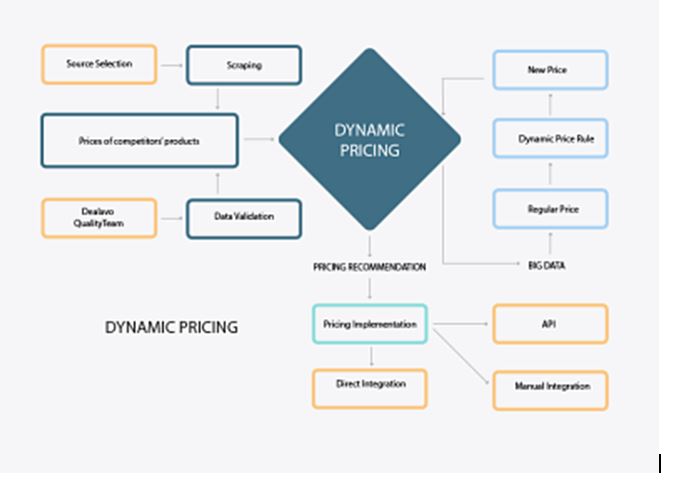
In general, businesses will need more specialized strategies to keep track of prices across sectors. Dynamic pricing will work well in electronics, where prices change on a competitive basis due to frequent changes. For fashion, the market monitoring seasonal fluctuations and competitor discounts will definitely help in making better pricing decisions. Knowing these behaviours helps businesses make better decisions.
Another important strategy is analyzing data in real-time. Trends and prices change rapidly, so being informed allows for swift changes. Furthermore, some industries have regulations that must be adhered to, and certain industries have stringent rules concerning pricing that determine the manner and timing of price changes.
Source: https://dealavo.com/en/
Conclusion
Pricing strategies differ from industry to industry, so a single approach will not be practical. Electronics require constant price adjustments, whereas fashion operates on seasonal cycles, and grocery store prices respond to supply chain changes. Knowledge of these differences enables businesses to remain competitive, generate more income, and capture an appropriate target market.
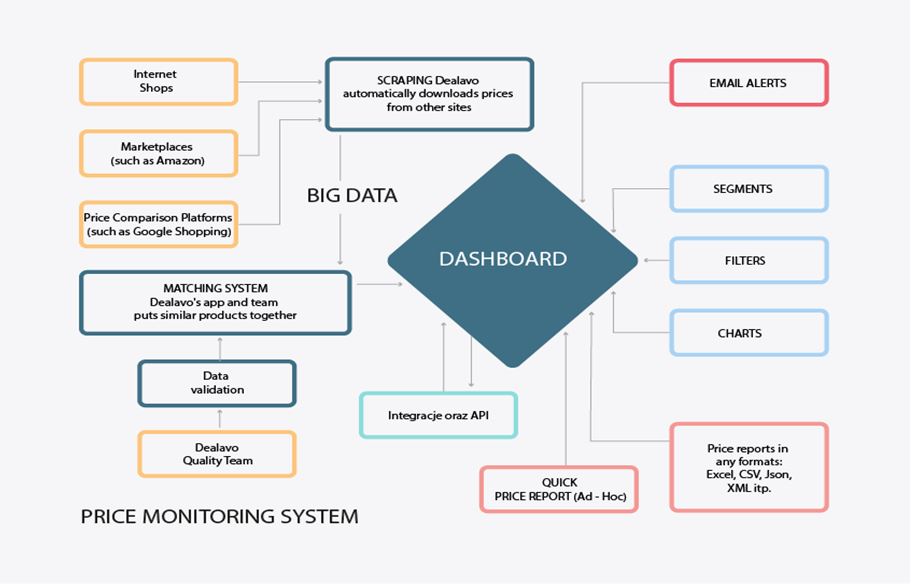
Businesses need accurate price monitoring systems to tackle these challenges. Dealavo offers sophisticated solutions that track competitors’ prices, monitor market shifts, and assist businesses in constructing relevant pricing policies. If approached correctly, businesses can develop an optimal pricing strategy, enhance profits, and lead in their markets. A smart pricing strategy is the key to long-term success.
