
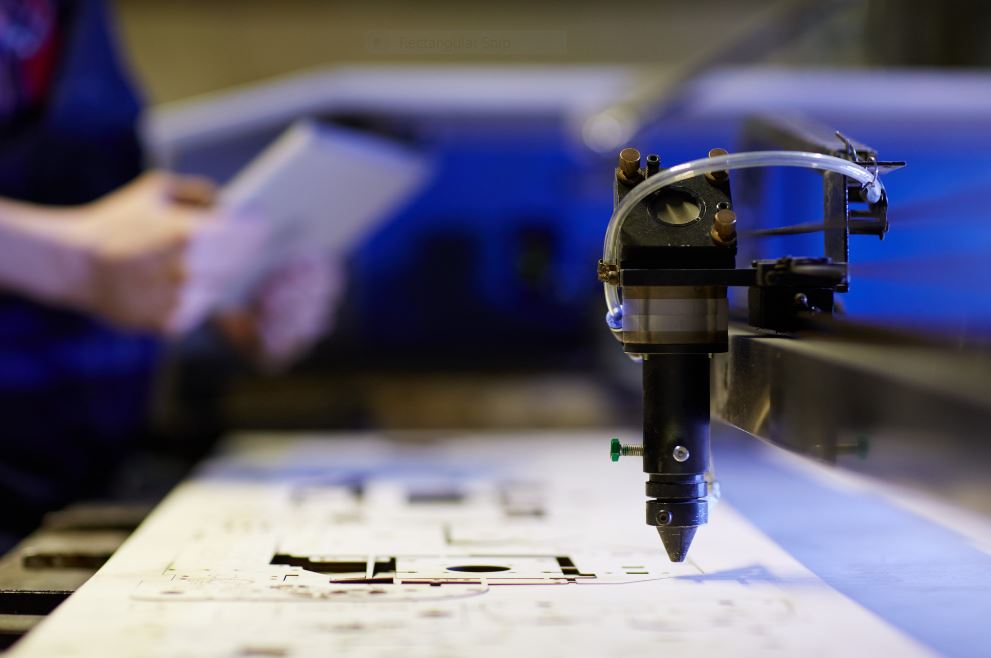
Modern fabrication has advanced with cutting technologies like laser, plasma, and waterjet, offering faster and more precise methods than traditional tools. Each technique has unique benefits and limitations, making them ideal for different applications. Understanding these methods can help you choose the best cutting solution for your needs.
The Evolution of Cutting Technologies
Traditional cutting relied on physical tools wearing away material. With technological innovation, manufacturers now use high-energy beams or jets to slice through metal, plastic, and even glass. This leap has expanded the possibilities for design, accuracy, and speed.
Three of the most influential modern cutting technologies are laser, plasma, and waterjet. Each harnesses a different form of energy and each excels in certain niches. Here’s how they compare.
Laser Cutting
How It Works
Laser cutting involves focusing a high-powered beam of light onto a material to melt, burn, or vaporize it. The laser’s intense heat allows for clean and accurate cuts on a wide range of materials––from steel and aluminum to plastics, wood, and more.
Laser cutters use CNC controls for precise movements and intricate detailing. The result is a fast, reliable process that delivers impressive repeatability.
Key Benefits
- Precision
Laser cutting offers exceptionally tight tolerances, making it ideal for parts that require intricate details or fine engravings.
- Versatility
A large variety of materials can be processed, including metals, polymers, woods, and composites.
- Speed
For thin to medium thickness materials, lasers cut quickly and efficiently.
Limitations
- Material Thickness
Lasers can struggle with thick metals; cutting speed decreases, and the edges may develop heat-affected zones.
- Initial Investment
Laser machines can be more expensive to purchase and maintain compared to other technologies.
Typical Applications
- Automotive bodywork
- Electronics casings
- Signage and decorative pieces
Plasma Cutting
How It Works
Plasma cutting makes use of an electrically conductive gas, or plasma, to slice through metal. An electric arc forms between an electrode and the workpiece, transforming gas (often compressed air or inert nitrogen) into high-temperature plasma. This plasma melts the material, and the intense force of the jet blows the molten metal away.
Key Benefits
- Cutting Speed on Thick Metals
Plasma cutting is especially efficient for thick sheets of conductive metals, like steel or aluminum.
- Cost Effectiveness
Plasma systems generally have lower initial costs and provide rapid, affordable cutting for many shops.
- Ease of Use
Portable options and user-friendly controls make plasma cutters a favorite in workshops and construction sites.
Limitations
- Material Restrictions
Plasma is best suited to electrically conductive materials. It won’t work on materials like glass, wood, or most plastics.
- Edge Quality
The cut edge can develop a slight bevel or roughness, which might require additional finishing for precision work.
Typical Applications
- Industrial fabrication and repair
- Construction and demolition
- Custom auto and motorcycle builds
Waterjet Cutting
How It Works
Waterjet cutting uses a high-pressure jet of water, sometimes mixed with an abrasive such as garnet, to erode material along a programmed path. Unlike lasers and plasma, waterjet cutting is a cold process and does not generate significant heat.
Key Benefits
- No Heat-Affected Zone
Since waterjet cutting is a cold process, it doesn’t alter the material’s properties through heat. This is ideal for metals and composites sensitive to temperature changes.
- Material Flexibility
Waterjets can cut an astounding variety of materials, from thick steel to delicate glass, stone, ceramics, rubber, and even food products.
- Precision on Thick Materials
Waterjets handle thick stocks extremely well, maintaining accuracy where other methods struggle.
Limitations
- Speed on Thin Materials
Waterjet cutting is generally slower than plasma or laser on thin materials.
- Abrasive Costs and Cleanup
Using abrasives adds cost, maintenance, and requires proper waste management.
Typical Applications
- Aerospace and automotive prototypes
- Artistic stonework and tile inlays
- Custom gaskets and insulation
Choosing the Best Method
There’s no one-size-fits-all when it comes to modern cutting. The choice between laser, plasma, and waterjet will depend on several factors:
- Material Type and Thickness
Laser works great for thin metals and non-metals, plasma thrives on thick metals, while waterjets excel at cutting almost anything, especially thick or temperature-sensitive materials.
- Required Precision and Finish
Laser and waterjet provide the cleanest edges; plasma gets the job done quickly on hefty metals.
- Production Speed
For large volumes and fast cuts, plasma and laser are top picks. Waterjet, while slower, brings unmatched versatility.
It’s also worth noting that many advanced workshops integrate multiple technologies, and some even pair them with CNC machining to unlock maximum flexibility for complex projects.
Conclusion
Laser, plasma, and waterjet techniques will continue to shape the future of fabrication, driven by demand for smarter, greener, and more precise production. Hybrid machines, automation, and real-time monitoring are pushing the boundaries even further, reducing waste and improving quality at every turn.
