
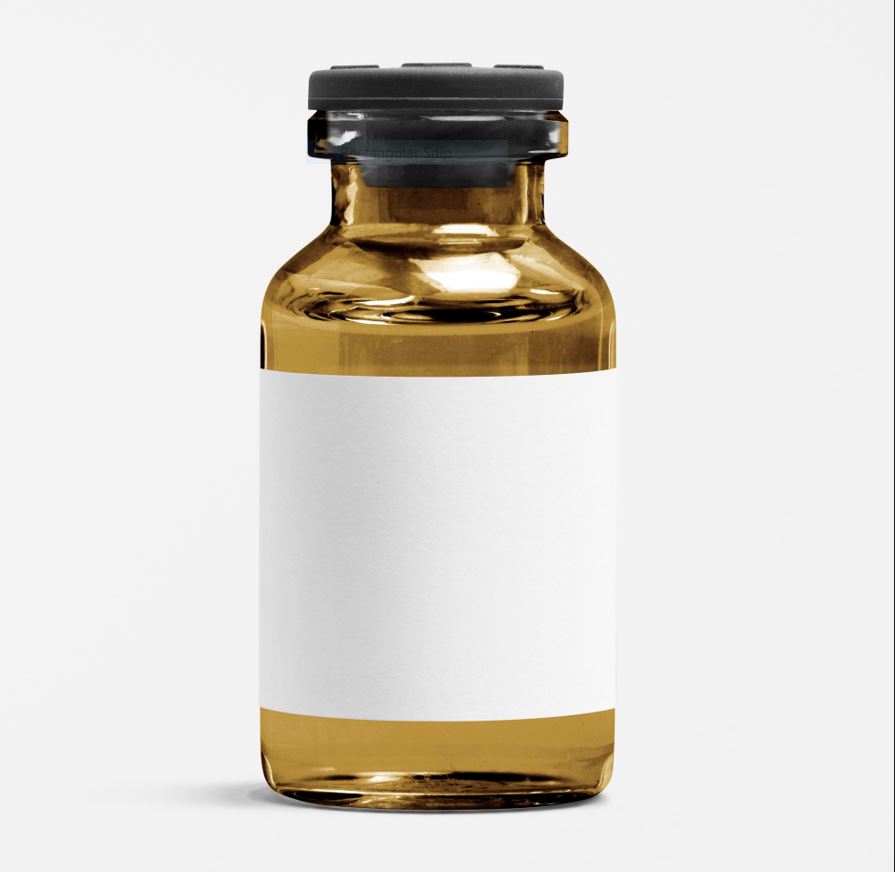
Packaging has evolved beyond merely “holding” a product. For contemporary brands and their patrons, the focus lies on conservation, sustainability, well-being, and the overall experience. The connection is particularly clear in the realm of natural foods and supplements, where syrups find their perfect niche.
With the increasing desire for premium, additive-free products, attention is turning to packaging that truly safeguards its contents. This is where biophotonic glass, often referred to as “violet glass,” is beginning to transform the concept of premium syrup bottles.
The glass transforms from a mere vessel into a dynamic partner: it filters light, safeguards nutrients, extends shelf life, and conveys quality the instant a customer lays eyes on it.
This article delves into the fascinating world of biophotonic glass, examining its perfect compatibility with syrups, its connection to sustainability and health trends, and its potential to influence the future design of syrup bottles and wide neck jars.
What is biophotonic glass – and why does it matter?
Biophotonic glass represents a sophisticated innovation in glass technology, designed to engage with light in a remarkable way.
This unique material is crafted to block harmful light frequencies while still permitting the beneficial wavelengths to shine through, unlike standard clear glass that allows nearly all visible light to pass unobstructed. The aim is straightforward: safeguard fragile materials while ensuring they remain connected to all potential sources of light energy.
When it comes to natural products like herbal syrups, botanical extracts, vitamin blends, and functional formulations, this holds significant importance.
A number of these items are particularly vulnerable to light exposure. With the passage of time, regular exposure may lead to:
- Loss of colour.
- Declining flavour and aroma.
- Deterioration of vitamins, enzymes, or bioactive elements.
Biophotonic glass aids in decelerating that process. By filtering out the most harmful sections of the spectrum, particularly UV and certain visible light, while allowing in the softer, potentially advantageous wavelengths, it enhances longevity and maintains consistent quality, all without altering the original recipe.
Why syrups are such a strong use-case
Syrups hold a unique charm in the realm of natural products.
These products frequently feature rich botanical extracts, fruity elements, herbal actives, or beneficial ingredients such as honey, plant-derived sweeteners, and enhanced vitamins. These are exactly the types of elements that can be influenced by light as time passes.
Transitioning to syrup bottlescrafted from biophotonic glass effectively tackles that weakness.
Rather than depending only on cold storage or limited shelf life, a brand can enhance the product’s integrity through multiple approaches simultaneously:
- The flavor experience is more authentically maintained.
- The hue stays vibrant and captivating for an extended period.
- The preservation of nutritional value and bioactivity is enhanced, safeguarding them from degradation caused by light exposure.
For those who are thoughtfully selecting products that prioritize purity and simplicity, this kind of packaging choice clearly indicates that the brand is committed to safeguarding the quality of what they offer.
Sustainability: beyond just “glass is recyclable”
Sustainability has evolved beyond a mere marketing afterthought; it now stands as a pivotal factor in the purchasing choices of numerous consumers.
Conventional plastic packaging is under growing examination – from concerns about microplastic contamination to a sense of “inferiority” in higher-end markets. Standard glass is already seen as an enhancement by many, but biophotonic glass takes that discussion to the next level.
To start, it boasts durability and can be used multiple times. Numerous individuals find creative ways to give new life to beautiful glass bottles in their homes, using them for everything from homemade syrups to infused oils and dressings. Biophotonic glass, with its rich violet or nearly black appearance, beckons for a second chance at life.
Additionally, enhancing product protection can contribute to minimizing waste. If light-sensitive syrups can endure longer in everyday storage, it means fewer expired or degraded products will be thrown away. That represents a subtle yet significant change in the overall impact of a product line.
For brands aiming to blend exquisite design, practical functionality, and environmentally friendly messaging, this style of packaging can play a pivotal role in their sustainability narrative.
Health and well-being: protecting what people value most
When customers purchase a natural syrup – be it for immune support, digestion, relaxation, or overall wellness, they are investing in more than just flavor. They are acquiring what they believe to be advantageous.
If the active ingredients degrade too rapidly from light exposure, that advantage might fade away before the bottle is fully used.
With the use of biophotonic glass for syrup bottles, manufacturers can assure that the nutritional or bioactive value is preserved over time with greater confidence. The glass enhances the overall appeal of the product.
- It aids in safeguarding fragile botanicals and plant constituents.
- It mitigates the effects of oxidation and light-induced alterations.
- It reinforces the notion that the final pour from the bottle holds a quality akin to the initial one.
For discerning readers who appreciate the finer details and are ready to invest in quality, this level of specificity can be the crucial element when selecting between comparable items on the shelf.
The technology behind biophotonic glass
At a fundamental level, biophotonic glass is crafted with particular optical characteristics in focus.
The unique deep violet, purple, or nearly black look is more than just aesthetic; it showcases the way the glass engages with various elements of the light spectrum. Overall, its purpose is to:
- Prevent a significant amount of visible light that may lead to deterioration.
- Block out the majority of harmful UV rays, which can be particularly detrimental.
- Permit specific wavelengths, frequently found in the violet and infra-red ranges, which could assist in preserving the stability or structure of certain natural substances.
This approach offers a depth of understanding that goes beyond just the use of amber or green glass. While those classic shades offer a degree of UV protection, they don’t quite match the optimization of biophotonic glass, which is designed with a focus on preserving delicate natural materials.
When it comes to crafting these bottles, the process showcases intricate glass-making methods, carefully balanced formulations, and rigorous quality assurance. That’s where contemporary automation and inspection technology truly shine.
Automation, consistency, and production at scale
To satisfy the increasing demand, biophotonic glass packaging needs to be manufactured on a large scale while maintaining high standards of quality and consistency.
The implementation of automation in glass production lines enables:
- Exact management of wall thickness and bottle weight.
- Uniform neck and thread measurements for closures.
- Dependable molding for various sizes and styles.
For syrup makers, that consistency is crucial. Bottles should seamlessly integrate with filling lines, capping equipment, labelling machines, and logistics systems. When the packaging lacks durability or uniformity, it turns into a hindrance instead of a benefit.
Contemporary configurations can produce substantial quantities of biophotonic glass bottles that function as dependably as traditional packaging – enhanced by the benefits of light management and an elevated visual appeal.
Aesthetics and design: when science looks luxurious
The appearance of biophotonic glass is truly captivating.
The deep, rich hue instantly distinguishes it from transparent glass and typical packaging options. On a retail shelf, these bottles emerge as exquisite, intriguingly enigmatic items. This is a valuable resource for those who appreciate thoughtful design and quality craftsmanship.
When paired with sleek labels, raised logos, or thoughtfully selected fonts, the outcome is packaging that conveys:
- Quality.
- Care.
- Innovation.
- A certain “apothecary” or high-end wellness aesthetic.
It’s not merely about appearing lavish. It revolves around the art of visually aligning the narrative of a meticulously created natural syrup safeguarded by cutting-edge material science.
A design that is easy to navigate is essential as well. With their thoughtfully designed shapes, comfortable grip, smooth pouring action, and expertly crafted closures, these products are not just a delight to display, but also a pleasure to use on a daily basis.
Future prospects: where this trend is heading
The momentum behind the embrace of biophotonic glass shows no signs of diminishing.
There is a growing demand for sustainability. Products that are both natural and functional are increasingly gaining popularity. Readers are increasingly aware of the nuances of storage, shelf life, and the quality of ingredients.
All of this indicates that the appetite for top-notch glass packaging will continue to grow. Syrup brands embracing biophotonic glass are setting themselves apart, transforming their packaging into a standout feature rather than just an afterthought.
We can expect:
- Expanded choices in size and format designed for various syrup varieties.
- Combining refill and circular models allows consumers to retain their premium bottles while replenishing from bulk or pouch formats.
- Enhanced narratives that highlight the harmony between formulation and packaging.
Beyond syrup: the role of wide neck jars
While syrups are a delightful beginning, this same reasoning can be extended to a variety of other product formats.
Consider the essence of dried herbs, the vitality of superfood blends, the convenience of powdered supplements, the warmth of spice mixes, the soothing nature of teas, or the allure of cosmetic formulations. Numerous items in this collection are particularly vulnerable to light exposure and greatly benefit from careful protective packaging.
In this context, wide neck jars crafted from biophotonic glass take on a particularly intriguing appeal.
The larger opening allows for effortless scooping of powders, pouring of coarse blends, or reaching non-liquid contents with ease. Simultaneously, the jar provides the same exquisite light-filtering qualities and elegant appearance as a bottle.
This fosters a unified packaging identity for brands:
- Biophotonic glass vessels designed for storing liquids like syrups and oils.
- Wide neck jars made from biophotonic glass, perfect for storing powders, dried botanicals, and various solid formulations.
The outcome is a visually cohesive and technically sophisticated range of products that collectively convey a narrative of safeguarding, clarity, and excellence.
What this means for brands and consumers
For brands, transitioning to biophotonic glass represents a significant evolution in their packaging approach. This is a thoughtful move.
- It enhances a high-end image by harmonizing the product, packaging, and messaging.
- It directly addresses what consumers care about most: health, sustainability, and authenticity.
- It unveils a pathway to innovative product ideas that depend on more subtle active components.
For readers, the advantage is clear: They can have confidence that the contents of the bottle or jar are being diligently protected from one of the most prevalent threats to quality, light.
In a bustling marketplace filled with similar labels and abundant claims, the unique biophotonic glass stands out as a clear indicator that this brand is committed to preservation.
A small change with big implications
Syrup bottles in biophotonic glass may seem like a unique innovation initially, yet they embody a convergence of several significant trends:
- A longing for products that are natural and minimally processed.
- Increasing recognition of the impact that storage and packaging have on quality.
- Heightened anticipation for sustainability and reusability.
- Admiration for thoughtfully crafted, enduring items that enhance daily experiences.
By selecting premium glass that safeguards its contents, conveys a vivid narrative, and promotes environmentally friendly practices, brands can transform every bottle into a subtle yet unwavering representative of their principles.
As this technology becomes increasingly available, we can expect to see a wider range of categories embracing it—not only for liquids in syrup bottles but also throughout a diverse array of products housed in unique wide neck jars and complementary formats.
For those captivated by the fascinating interplay of material science, design, and sustainability, biophotonic glass packaging is truly a field worth exploring. It serves as a reminder that the future of a product is influenced not just by its contents, but also by the vessel that encases it.
Frequently Asked Questions
1. What makes biophotonic glass different from regular glass?
Biophotonic glass is crafted to selectively filter light with remarkable precision. It effectively shields against the majority of harmful UV and visible wavelengths that can harm natural products, while permitting certain beneficial wavelengths to pass through. Standard clear glass allows nearly all light to penetrate, which can accelerate the fading of colors, alter flavors, and lead to the deterioration of nutrients over time.
2. Does biophotonic glass really extend the shelf life of syrups?
It can aid in maintaining quality over time by minimizing damage caused by light exposure. For syrups that are light-sensitive, particularly those infused with botanicals, vitamins, or natural colorants – the shielding qualities of glass help to prolong their integrity. While it doesn’t take the place of solid formulation and careful storage, it certainly enhances them.
3. Is biophotonic glass recyclable and sustainable?
Yes, it remains glass and can typically be recycled through suitable glass channels, contingent on local facilities and regulations. Moreover, its sturdy build and appealing look promote repeated use. A lot of people hold onto these bottles and jars for home storage, which really promotes a sustainable approach.
4. Why are biophotonic bottles usually dark purple or almost black?
The rich, deep violet or almost black hue emerges from the fascinating interplay of light with the glass. The hue contributes significantly to its ability to filter effectively. The hue isn’t merely for looks; it signifies that the glass has been designed to more efficiently filter out harmful light wavelengths compared to regular clear or lightly tinted options.
5. Are syrup bottles in biophotonic glass only for premium brands?
These products have gained significant traction among high-end and eco-friendly brands, as they resonate perfectly with themes of excellence, safeguarding, and environmental responsibility. Yet, their offerings extend beyond just high-end items. Any producer looking to safeguard delicate materials and demonstrate a commitment to quality can find value in utilizing them.
6. How do these bottles work with automated filling and packaging lines?
Expertly crafted bottles made from this glass are produced to meet standard tolerances, much like traditional packaging. This implies that they can typically be incorporated into current filling, capping, and labeling lines with little modification, provided that the neck finishes and dimensions align with the equipment specifications.
7. What kinds of products, besides syrups, work well in biophotonic packaging?
A variety of natural products offer advantages, such as herbal extracts, oils, tinctures, dried herbs, teas, spices, and powdered supplements. Wide-opening containers, such as wide neck jars, are incredibly useful for scooping or pouring non-liquid products. They allow you to enjoy the benefits of glass, including its protective light-filtering qualities.
8. Is biophotonic glass mainly a marketing feature or a functional one?
It encompasses both aspects. The unique appearance definitely makes products pop on the shelf and reinforces their upscale appeal. Simultaneously, the foundational material science is both authentic and practical: it’s crafted to shield delicate contents from light, which can significantly affect stability and the sense of freshness as time passes.
