
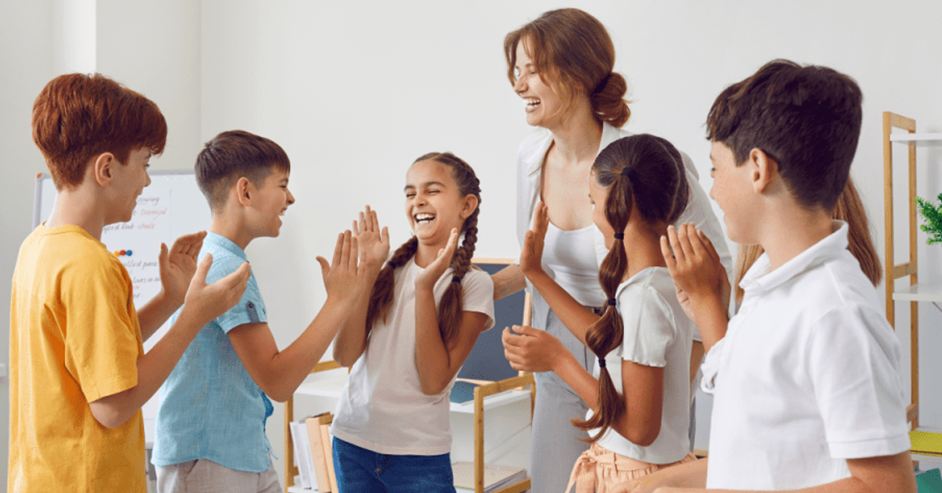
In today’s diverse & dynamic educational settings, inclusive education is more than a buzzword—it’s a necessary approach to ensure each student has an equal opportunity to learn, grow & succeed. It’s about embracing individuals of all backgrounds and abilities, and recognising that each learner brings unique strengths and challenges. I mean, just imagine a classroom pulsating with intellectual energy. Not just the same ideas bouncing around like popcorn in a hot pan, but a vibrant mix, a beautiful spectrum of perspectives. That’s the magic of inclusive learning – a space where every learner feels valued, heard, challenged and empowered to shine.
But the main question that arises here is how do we cultivate this kind of enriching environment? Worry not, for we’re about to delve into these best practices that will turn your classroom into a rainbow paradise blooming with diversity and learning! Let’s begin:
1) Know Your Learners – Like, Really Know Them!
Every student is an individual, with a unique blend of experiences, backgrounds, & learning styles – a one-size-fits-all approach simply won’t cut it. Take some time to get to know your students beyond just names and grades. What are their strengths? What challenges do they face? How do they prefer to learn? This knowledge is the foundation for creating a truly inclusive environment, called differentiated instruction.
It is a teaching method that tailors learning experiences to meet the diverse needs of your learners. This approach involves varying the content, process, and product based on students’ readiness levels, interests, and learning profiles. Here’s how to implement it:
- Assess Student Needs: Regularly assess students’ strengths, weaknesses, and learning styles through formative assessments, observations and student feedback.
- Flexible Grouping: Use flexible grouping strategies to allow students to work in different groups based on their skill levels, interests, or learning preferences.
- Variety of Teaching Methods: Incorporate various teaching methods, such as lectures, hands-on activities, and technology-based instruction, to cater to different learning styles.
- Choice and Voice: Provide students with choices in their learning activities and assignments to increase engagement and ownership of their learning.
Fun fact: icebreaker activities at the beginning of the year aren’t just awkward small talk – they’re a fantastic way to gather intel on your amazing learners!
2) Embrace the Power of “Many Paths, One Goal”
Not everyone learns the same way. Some students thrive with hands-on activities, while others prefer quiet study time. The key is to offer a variety of instructional methods, which is where universal design for learning (UDL) comes in. UDL is a framework that aims to make education accessible to all by providing multiple means of representation, expression, and engagement. Think interactive games, team playing, visual aids, and opportunities for solo work.
This is how you can achieve that:
- Varied Representation: Present information in various formats, such as text, audio, video, and interactive media, to accommodate different learning preferences.
- Diverse Expression: Allow students to demonstrate their understanding in different ways, such as through written assignments, oral presentations, or creative projects.
- Engaging Activities: Offer diverse ways to engage students, including group work, individual projects, and practical activities, to keep them motivated and involved.
This buffet of learning styles ensures everyone has a delicious way to reach their academic goals!
3) Celebrate the Symphony of Voices
Discussions are a cornerstone of learning, but sometimes the shyer voices get lost in the classroom chaos, don’t you think? Well, that better needs fixing because superhero teams work best together. Collaborative learning is a powerful tool for fostering understanding and inclusivity in your teaching space. Why? because this method promotes unity, communication, and critical thinking skills – making even that quiet kid blossom while explaining a concept or for instance providing marketing coursework help to their more outspoken peer.
As an educator, it’s your job to create possibilities for students to work together in teams, leveraging each other’s strengths to solve problems, complete projects, and learn from their varying perspectives and opinions, Such as:
- Structured Group Activities: Design structured group activities that require students to collaborate and contribute equally.
- Diverse Groupings: Create diverse groups with students of varying abilities, backgrounds, and perspectives to enrich the learning experience.
- Peer Support: Encourage peer support and mentoring, where students can help each other and share knowledge.
- Reflective Practices: Incorporate reflective practices where students discuss their group experiences and learn from each other. For instance, “think-pair-share” activities, where students discuss ideas with a partner before sharing them with the whole class.
Bonus tip: you can also incorporate techniques like wait time (giving students a chance to think before answering) or utilise anonymous polls to increase participation. This allows everyone to engage and put their two cents in discussions!
4) Diversity is the New Black (and Every Other Color!)
As we celebrate individual differences in art, music, and lifestyle, isn’t it logical to honour them in education too? Our classrooms should reflect the beautiful diversity of the real world that’s why it’s necessary to implement culturally responsive teaching. This method acknowledges and values students’ cultural backgrounds and incorporates them into the learning experience.
By utilising this approach, you can help create a more inclusive and engaging classroom environment in the following ways:
- Cultural Awareness: Educate yourself about the cultural backgrounds of your students and incorporate culturally relevant materials and examples in your lessons.
- Inclusive Curriculum: Design a curriculum that reflects the diversity of your students and includes perspectives from various cultures.
- Build Relationships: Foster strong relationships with students by showing interest in their cultural experiences and backgrounds.
- High Expectations: Have high expectations for all students, regardless of their cultural background, and support them to meet those expectations.
So, why wait? Incorporate multicultural literature, historical figures from various backgrounds, and examples that resonate with students of all ethnicities and abilities. This not only promotes cultural awareness but also sends a powerful message: everyone’s story matters in this classroom.
5) Let’s Get Meta: Value Differences as Strengths!
Sometimes, students might feel insecure about their differences. Let’s shift the narrative! Help students see their unique backgrounds and learning styles as superpowers with positive behavioural interventions and supports (PBIS). PBIS is a proactive approach to managing student behaviour by promoting positive behaviours and preventing negative ones.
For example, a student who struggles with reading might be a pro at visual arts. Someone who gets restless easily might bring boundless energy to group projects. By acknowledging differences as strengths, we create a classroom where everyone feels confident and empowered to contribute their unique spark!
To achieve this, consider these key elements of PBIS:
- Clear Expectations: Establish clear behavioural expectations and communicate them to students consistently.
- Positive Reinforcement: Use positive reinforcement strategies, such as praise, rewards, and recognition, to encourage desirable behaviours.
- Consistent Consequences: Implement consistent consequences for negative behaviours for maintaining a structured and predictable classroom environment.
- Behavioural Interventions: Provide targeted behavioural interventions and support for students needing additional help meeting behavioural expectations.
By implementing these strategies, let’s create a nurturing and inclusive classroom environment that allows every student to flourish.
6) Welcome Flexibility!
Things don’t always go according to plan, and that’s okay! Be flexible and adaptable. Modify lessons as needed and celebrate unexpected learning opportunities. There are tons of resources available to help you on your inclusive education journey. So, talk to colleagues, explore online resources, and connect with other educators passionate about creating vibrant learning spaces for all.
The Takeaway:
Inclusive education is not just about placing diverse learners in the same classroom; it’s about creating an environment where all feel valued, supported, and capable of achieving their best! Embracing these best practices requires commitment and effort, but the rewards are immeasurable. When students see themselves reflected in their education and feel understood and supported, they are more likely to engage deeply and excel academically rather than looking for dissertation writing services cheap and whatnot online.
So, let’s commit to making our classrooms places where every learner can shine, regardless of their background or abilities. After all, diversity is not a challenge to overcome but a strength to celebrate.
